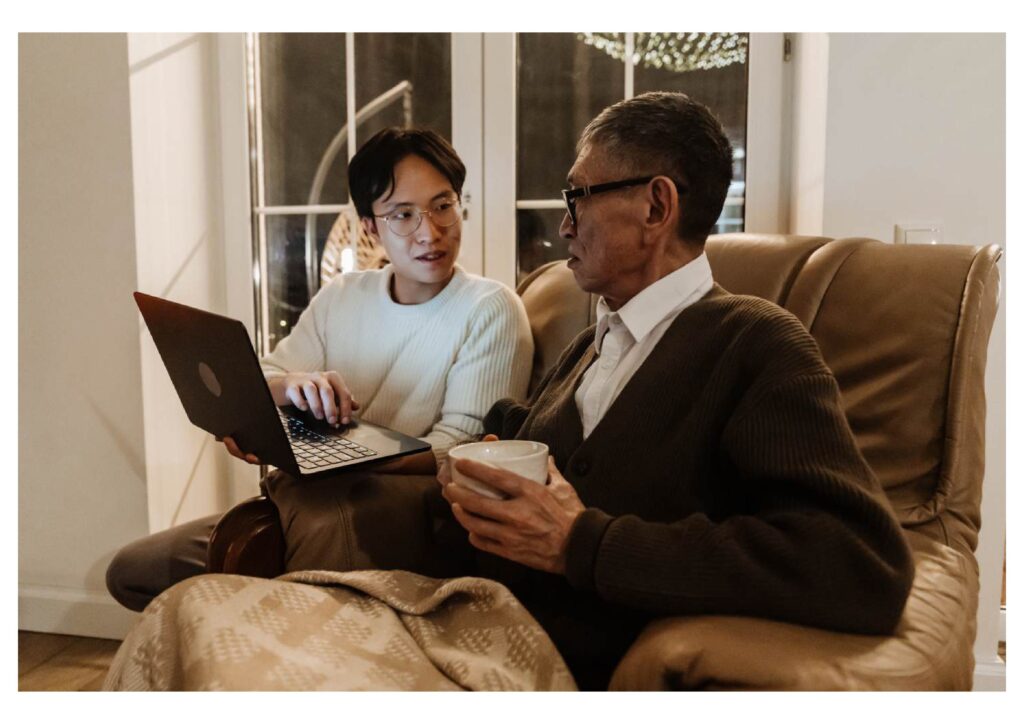
AdobeStock 1394774584 compressed

The Real Cost of Caregiving: Balancing Career and Care.

Caregiving for a family member is, for most individuals, an unpaid, secondary career. It can negatively affect your professional path and daily productivity, often in unseen ways. Some effects are obvious, including logistical challenges like missed workdays; switching to reduced hours, transitioning to a less-demanding job or even taking an unpaid leave of absence. But there are also significant long-term impacts on careers and productivity which can frequently be invisible to peers and employers. The intensity of these impacts can be heightened when the caregiving need is prolonged and/or unpredictable. 

Impacts on productivity

  • Second shift fatigue: Caregivers often work a full shift at their regular job, followed by a second shift filled with demanding physical tasks, providing emotional support, managing medication, making meals, paying bills and so much more on behalf of their loved one. What results is chronic exhaustion that degrades decision-making speed, creativity, and problem-solving skills, impacting both jobs.
  • Frequent micro-interruptions: A caregiver’s day is fragmented by unpredictable phone calls from doctors, pharmacies, other family members or the person for whom they provide care. It becomes extremely challenging, if not impossible, to retain the laser focus needed for many complex professional tasks. 
  • Presenteeism: Employees are physically present at their workplace but might be mentally and emotionally detached. Instead of concentrating on their job, they could be managing care crises via email or text, spending their lunch hour researching treatment options, or dealing with intense sleep deprivation.

Hidden career implications

  • The invisible penalty: Because caregivers often have to leave work at a set time for appointments and scheduled commitments, plus are not available on evenings or weekends, they may be passed over for opportunities and promotions. Managers may misinterpret their lack of after-hours flexibility as a lack of ambition.
  • Self-stalled career progression: Many caregivers can only cope with the intense pressure by downshifting at work. This may include rejecting relocation and/or promotions, turning down challenging assignments or travel-heavy roles, or switching to less demanding jobs that are well below their salary potential and skills. 
  • Premature retirement: Caregiving pressures can result in a breaking point, leading to a complete exit from the paid workforce, often years earlier than planned. If re-entry is sought, extended career gaps in a resume are problematic and can permanently reduce lifetime earning potential and retirement savings.

Caregiver burnout is real and can manifest itself in both physical and emotional exhaustion. Not only does this put the caregiver’s health at risk, it also can jeopardize their ability to provide the amount and quality of care needed. 

So what can caregivers do to mitigate the impacts on their health, career path and productivity? The best course of action is to hire reliable, capable home care personnel who can shoulder some of the burden and ensure your loved one is expertly cared for while you focus on your primary job. 

Contact GEM Health Care Services to learn more about how our customized one-on-one support can help both you and your loved one. We can mitigate the effects on your career and provide peace of mind as you count on us every step of the way while navigating your caregiving journey.

This content was first published on obj.ca.

AdobeStock 638125363 (1)

Making plans for aging in place 

What to do when seniors say the only way they’ll leave home is ‘in a box’

When individuals express the idea that they want to stay in their own home until they die, family members must navigate the complexities of simultaneously respecting the person’s autonomy, ensuring safety, and managing ethical issues. 

The desire to age at home typically stems from wanting to stay where things are familiar and comfortable. It can be very hard for older people to admit they can no longer manage to live independently and many seniors do not acknowledge the risks of caregiver burnout when caring for a spouse until they are completely overwhelmed. 

“I hear this wish about aging in place expressed a lot, but people haven’t always thought it through, says Gaye Moffett, founder, president and CEO of GEM Health Care Services. “It is possible to stay in your own home until the end,” she adds, “but people need to understand the impacts—financially, emotionally and physically.”

GEM Health Care Services has some practical advice to offer when navigating this situation: 

Communication is key

  • Communicate collaboratively: Consider questions like, “What home care supports can we organize together to make sure you’re safe here?” 
  • Research options together: Modern senior living options may be unfamiliar. Taking a tour with aging parents can help them better weigh the benefits of making a move versus staying at home.
  • Consider the financial aspects: Gaye notes that a conversation she has often with families includes helping to identify the costs of home health care services versus retirement homes.

Important logistical steps

  • Conduct a safety audit and implement needed modifications: GEM can recommend home safety audit providers; they can identify and address physical risks, including necessary home modifications as well as monitoring services.  
  • Consider a gradual introduction of in-home care services: Seniors are often more willing to accept help if they understand it’s part of what is necessary to stay in their own home. A good way to begin is with house cleaning or social companionship, just some of the services GEM provides, or other non-medical services like grocery or meal delivery. 
  • Contact Ontario Health atHome: this organization coordinates local home and community care, long-term care placement and accessing community supports; they can also help families with equipment related to home health care.
  • Create a back-up plan: It’s crucial to understand what needs to happen should the primary caregiver become incapacitated due to illness or injury. GEM can help organize care in an emergency, but it’s always better to have a plan in place.

“We have encountered this aging at home situation hundreds of times over the past 30+ years GEM has been in business,” notes Gaye. “We have loads of experience working collaboratively with families plus medical and other professionals to implement a geriatric care management plan and ensure regular re-evaluations of the plan as needs evolve.”


“Aging in place can work for most families, with proper planning and execution,” Gaye confirms. “We have a wealth of knowledge to share, such as important questions to ask your accountant about tax benefits related to home health care. We can even facilitate some of the difficult conversations families in this situation typically need to have.”